

The increase positions the RBA as the first of its international peers to end its cutting cycle with a hike in an effort to tame reignited inflation.
“While inflation has fallen substantially since its peak in 2022, it picked up materially in the second half of 2025,” the RBA board’s post-meeting statement reads.
“The Board has been closely monitoring the economy and judges that some of the increase in inflation reflects greater capacity pressures.
"As a result, the Board considers that inflation is likely to remain above target for some time.”
The decision to hike the cash rate was made unanimously by the nine board members.
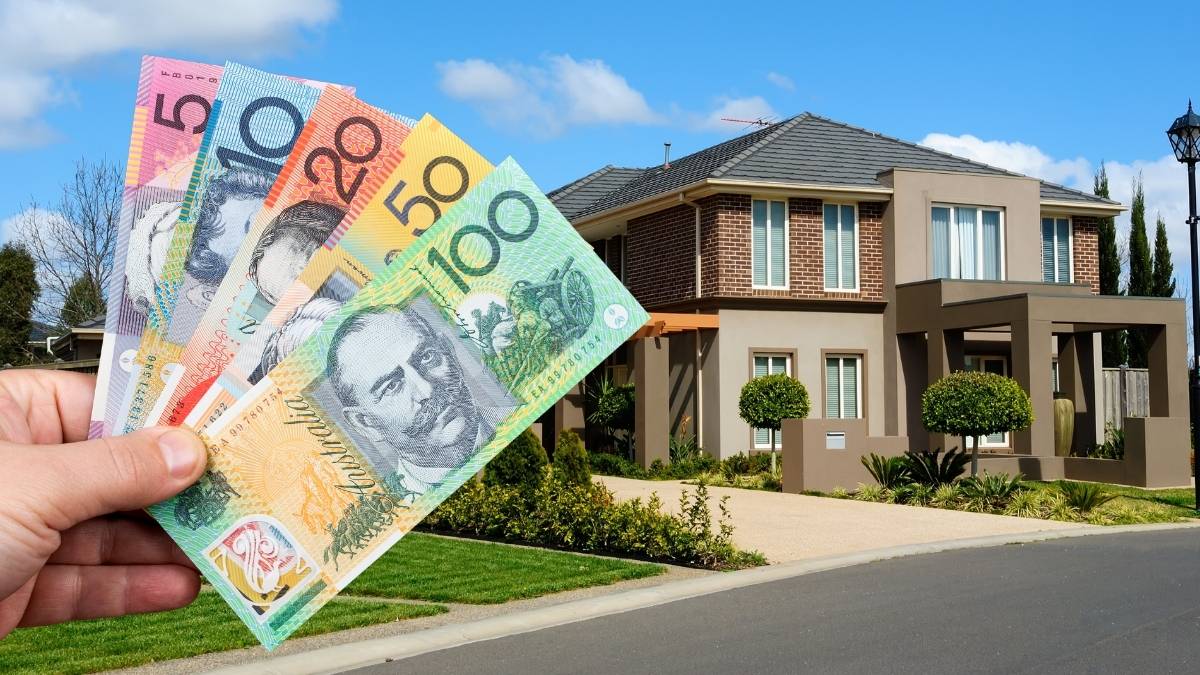
Increasing the cash rate is expected to increase pressure on indebted households, with rates on home loans and other loan products rising alongside, and increased financial pressure is expected to reduce demand for goods and services.
An owner-occupier with a typical new mortgage of $694,000 with a variable rate of 5.50% p.a., as per ABS and RBA data, could see their repayments lift by $110 per month.
That could see a typical household budget squeezed by more than $1,300 a year.
Higher interest rates can also dent would-be homebuyers’ borrowing power, as it means their income doesn’t go as far if expected repayments rise.
What does the RBA hike mean for mortgage holders?
Mortgage borrowers can anticipate their lender coming forward in the coming hours and days to provide information regarding interest rate changes, which can impact repayments.
Though, there’s no guarantee that individual lenders will move as one, with the chance that some or many may choose to absorb the hike, impacting their profits, in order to retain market share.
While home loan borrowers rarely celebrate rate hikes, a shifting interest rate environment can present an opportunity to find a better mortgage deal.
“In 2022, the reaction to the first rate hike was immediate,” Equifax executive general manager Moses Samaha said.
“As soon as rates rose in May 2022, refinance volumes lifted 25% compared to the previous month.
“Mortgage holders moved quickly to secure rates before further increases, and that activity stayed roughly 15% above the April 2022 baseline for the following six months.”
Meanwhile, industry bodies are warning home loan borrowers to consider if they’re paying a ‘loyalty tax’ to their lender.
“Lenders often incentivise new business by offering lower rates to new customers than they provide to existing customers,” Finance Brokers Association of Australia managing director Peter White said.
“It’s their trick to make more money.”
Mr White suggests households compare their current interest rate against others offered on the market - a task their mortgage broker can help with.
Advertisement | Article continues below
| Lender | Home Loan | Interest Rate | Comparison Rate* | Monthly Repayment | Repayment type | Rate Type | Offset | Redraw | Ongoing Fees | Upfront Fees | Max LVR | Lump Sum Repayment | Extra Repayments | Split Loan Option | Tags | Features | Link | Compare | Promoted Product | Disclosure |
|---|---|---|---|---|---|---|---|---|---|---|---|---|---|---|---|---|---|---|---|---|
6.19% p.a. | 6.23% p.a. | $3,059 | Principal & Interest | Variable | $0 | $530 | 90% |
| Promoted | Disclosure | ||||||||||
6.14% p.a. | 6.05% p.a. | $3,043 | Principal & Interest | Variable | $0 | $0 | 80% |
| Promoted | Disclosure | ||||||||||
6.33% p.a. | 6.33% p.a. | $3,105 | Principal & Interest | Variable | $0 | $395 | 80% |
| Promoted | Disclosure | ||||||||||
6.24% p.a. | 6.26% p.a. | $3,075 | Principal & Interest | Variable | $0 | $150 | 60% |



Will 2026 bring more rate hikes?
The RBA board’s post meeting statement’s hawkish tone suggests the central bank may be morereactive to further hikes than perhaps anticipated.
Three of the big four banks forecast Tuesday's hike to be a standalone move, while NAB is the outlier, predicting another hike in May.
“How inflation evolves across the start of 2026 will be the driver for where interest rates go from here,” REA Group senior economist Angus Moore said.
“At the moment, another hike is expected by mid-to-late 2026, but whether that happens will be dictated by how persistent inflation is.”
Inflation surprised the market earlier this month, with headline prices lifting 3.8% in December.
What higher interest rates could mean for house prices
While higher rates might put a dampener on borrowing power and housing affordability, the increase isn’t expected to majorly drag on house prices.
“Home prices are still expected to grow across 2026 on the back of last year's cuts and strong economic and housing fundamentals,” Mr Moore said.
“However, higher rates this year will slow price growth down compared to the pace recorded last year."
Collections: Mortgage News RBA Cash Rates Interest Rates


Share