

NAB has officially binned forecasts suggesting two more rate cuts in the coming months on the back of an upside inflationary surprise, now predicting an extended cash rate pause.
The RBA monetary policy board will come together again next week to discuss the cash rate – a meeting that's long been tipped to deliver a hold.
Market watchers instead have their eyes trained on the November meeting, to occur over 3 and 4 November.
NAB sees next rate cut delayed until May 2026
"Our new profile for the cash rate sees policy on hold at 3.6% for an extended period before a cut in May 2026," NAB chief economist Sally Auld said on Wednesday afternoon.
"While the RBA has cautioned against reading too much into monthly inflation data and exhibited a strong preference to wait for quarterly inflation prints before moving policy, we think the signal in today's data is too strong to ignore."
A pause in RBA rate cuts could leave variable rate mortgage holders without further relief for longer than many might hope.
The bank pointed to hotter-than-expected market services inflation, which tends to be sticky, as a key reason for abandoning near-term cuts.
Consumer prices rose 0.1% month-on-month in August and 3% year-over-year, as per Australian Bureau of Statistics data released Wednesday morning – testing the limits of the Reserve Bank's 2% to 3% target band.
It marks the second consecutive month of rising inflation and the highest monthly reading in more than a year.
In NAB's eyes, the surprise suggests another shock is coming, this time on the release of the more holistic quarterly inflation figures.
"Today's inflation data suggest that the quarterly trimmed mean measure is likely to print at 0.9% to 1.0% quarter-on-quarter for the third quarter," Ms Auld said.
"This is a meaningful upside surprise to the RBA's standing forecast of a 0.64% quarterly rise in the trimmed mean measure."
NAB now expects the RBA will require at least two or three more quarterly inflation reads before easing continues.
The big bank's shift follows three RBA rate cuts this year, bringing the cash rate from its peak of 4.10% to its current 3.60%.
That's seen the typical rate on an outstanding owner-occupier variable mortgage ease from 6.40% p.a. in mid-2024 to 5.80% p.a. by June 2025, and likely closer to 5.55% p.a. once the August cut flows through.
CommBank labels November cut 'not a done deal'
CommBank economists had predicted inflation to rise 2.7% in August and, while the surprise jump hasn't undermined their outlook, they noted the change has added uncertainty.
"We remain comfortable with our base case that the RBA will cut the cash rate in November to a terminal rate of 3.35%," CommBank economist Harry Ottley said.
"Today's data however suggests this is not a done deal and tension is building in the economic data."
Meanwhile, Westpac was surprised on the downside, having tipped August inflation to lift to 3.1%, and now remains as the only big four bank predicting two more cash rate cuts this cycle.
ANZ was also tipping inflation to read higher than it did in August and expects the finding to contribute to the central bank's hawkish tone.
Underlying inflation dips, unemployment steady
The RBA's preferred trimmed mean inflation rate – which strips out prices of certain volatile items – softened in August.
"Annual trimmed mean inflation was 2.6% to August 2025. This is down from 2.7% to July 2025," ABS head of prices statistics Michelle Marquardt said.
However, Mr Ottley noted the monthly CPI read calculates trimmed mean inflation differently to the quarterly CPI measure.
"We currently have a … 2.6% annual trimmed mean outcome pencilled in," he said.
"In totality, today's data presents firm upside risks to this estimate."
Speaking to The Savings Tip Jar podcast on Wednesday morning, before the release of the latest CPI figures, Mr Ottley pointed to continued strength in the jobs market.
Typically, inflation and unemployment run counter to each other – when one rises the other often falls.
"Our broader view [is] that [the jobs market] is softening a little bit, but if you look under the hood, [it] remains in a pretty solid position, especially if we think historically," he said.
Mr Ottley noted the RBA likely believes the unemployment rate must rise slightly to around the 4.5% mark, up from its current 4.3%, to keep inflation sustainably within its target range.
Advertisement
Lender Home Loan Interest Rate Comparison Rate* Monthly Repayment Repayment type Rate Type Offset Redraw Ongoing Fees Upfront Fees Max LVR Lump Sum Repayment Extra Repayments Split Loan Option Tags Features Link Compare Promoted Product Disclosure
Promoted
Disclosure
Promoted
Disclosure
Disclosure
Disclosure
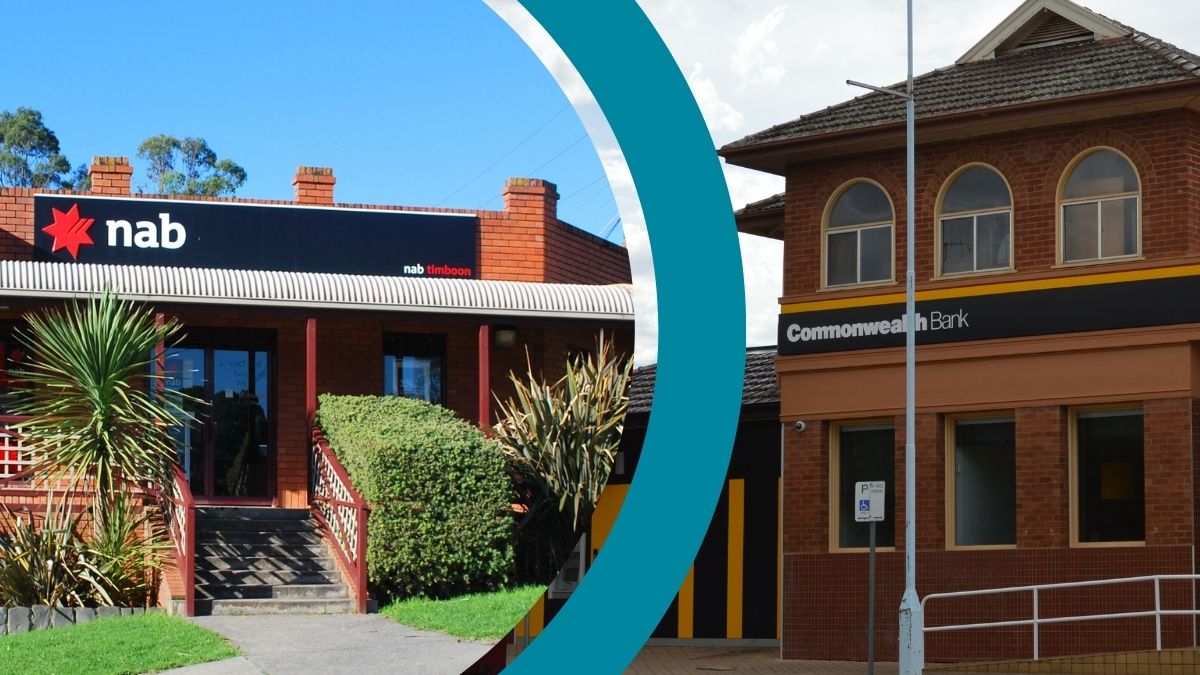
Images used courtesy of Mattinbgn on Wikimedia Commons





Share