

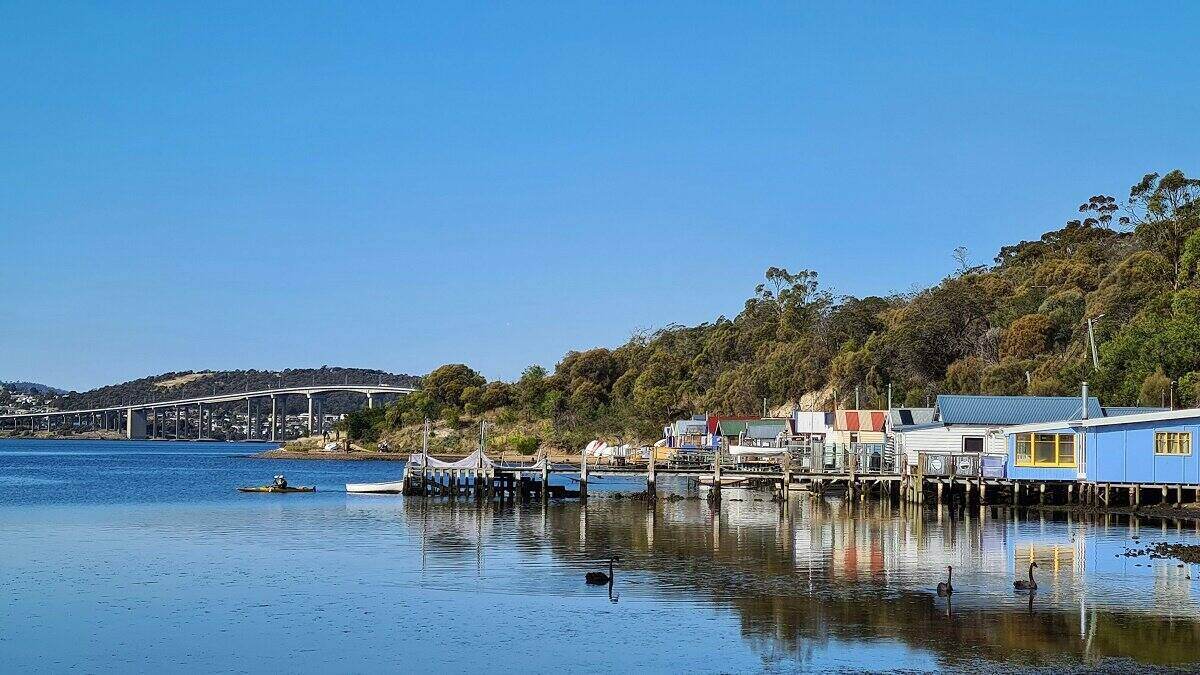
The dream of owning a home could be more attainable for first-time buyers through Tasmania's version of the First Home Owner Grant (FHOG).
However, the grant is less generous than it once was. Here's what it provides and how potential first-home buyers can apply.
What is the Tasmanian First Home Owner Grant?
The Tasmanian First Home Owner Grant provides a one-time payment to first-time buyers purchasing or building a new home in the state.
Administered by the Tasmanian State Revenue Office (SRO), grants are as follows:
- From 1 July 2026, the First Home Owner Grant will be $20,000 (down from $30,000), made up of a $10,000 base and an additional $10,000, subject to eligibility
- From 1 July 2025 - 30 June 2026, the grant provided $30,000 for those entering transactions
Are you eligible for the grant?
To qualify for the Tasmanian First Home Owner Grant, applicants must comply with the following requirements:
Eligibility requirements
-
Must be individuals and not a company
-
Must be 18 years old or over
-
Be an Australian citizen or permanent resident
-
Must occupy the property as a place of residence continuously for at least six of the first 12 months that they're able to
-
Must be a first-time buyer
(You may be eligible if you or your spouse have previously owned property, but haven't lived as an owner-occupier for more than six months since July 2000)
Building rules
To access the grant, applicants must be buying a home that hasn't previously been occupied, purchasing an off-the-plan property, or building a home.
There is no longer a limit on the time in which it takes to build a home in order for a buyer to be eligible for the grant.
Though, if you're able and planning to access the $20,000 or $30,000 grant, you're build process must be completed within 24 months of the foundations being laid or, if you're buying off-the-plan, 24 months of the contract being signed.
How to apply for the First Home Owner Grant in Tasmania
If you're applying for financing through a home loan lender that is an approved agent, they will apply for the grant on your behalf.
Applicants who aren't getting a home loan for their purchase or who are applying for a home loan through a lender that isn't an approved agent can make their submissions directly to the Tasmanian SRO through the FHOG portal.
The SRO will make contact within 10 days of you submitting your application to let you know if you've been approved or refused.
When will the grant be paid?
When the grant will be paid depends on the type of property you're buying and how it's being constructed.
Building a home through a builder
If you're funding your home purchase with a mortgage and building through a registered builder, you'll likely receive the funds after the foundation is laid.
If you're not taking out a home loan, your grant will probably be paid when the build is completed.
Building your own home
If you're building your home yourself, the grant will likely be paid on the receipt of occupancy certificate, proof of completion, or proof of construction.
Buying an off-the-plan home
If you're going through a lender when purchasing an off-the-plan property, the funds will typically be paid when you settle on the purchase.
If you're applying directly, you'll likely get the money when your solicitor or conveyancer provides a confirmation of settlement or when the property's title is transferred into your name.
Tasmanian First Home Owner Grant: FAQs
Can I apply for the grant if I am not a first-time homebuyer?
No, the Tasmanian First Home Owner Grant is specifically designed for first-time homebuyers.
If you've previously owned or co-owned a property anywhere in Australia, you may not be eligible for the grant.
What is the maximum property value limit to be eligible for the grant?
There are currently no price caps for the First Home Owner Grant.
Are there any additional government incentives available for first-home buyers in Tasmania?
Apart from the First Home Owner Grant, there is no longer any stamp duty exemptions or concessions available in the state from 1 July 2026.
Homebuyers may still be able to access the federal government's 5% Deposit Scheme.
Can the grant be used for renovations or additions to an existing property?
No, the Tasmanian First Home Owner Grant is not applicable for renovations or additions to an existing property.
The grant is specifically intended for the purchase or construction of a new home.
Advertisement
Buying a home or looking to refinance? The table below features home loans with some of the lowest interest rates on the market for owner occupiers. See our main first home buyer loans page for more insights and tips.
| Lender | Home Loan | Interest Rate | Comparison Rate* | Monthly Repayment | Repayment type | Rate Type | Offset | Redraw | Ongoing Fees | Upfront Fees | Max LVR | Lump Sum Repayment | Extra Repayments | Split Loan Option | Tags | Features | Link | Compare | Promoted Product | Disclosure |
|---|---|---|---|---|---|---|---|---|---|---|---|---|---|---|---|---|---|---|---|---|
5.94% p.a. | 5.98% p.a. | $2,978 | Principal & Interest | Variable | $0 | $530 | 90% |
| Promoted | Disclosure | ||||||||||
5.89% p.a. | 5.80% p.a. | $2,962 | Principal & Interest | Variable | $0 | $0 | 80% |
| Promoted | Disclosure | ||||||||||
5.98% p.a. | 5.98% p.a. | $2,991 | Principal & Interest | Variable | $0 | $395 | 80% | Disclosure | ||||||||||||
5.99% p.a. | 6.01% p.a. | $2,995 | Principal & Interest | Variable | $0 | $150 | 60% | Disclosure |




Article originally written by Gerv Tacadena. Last updated by Denise Raward in 2026.
Image by Nico Smit on Unsplash
First published in July 2023
Collections: Buying a home First Home Buyer


Share