

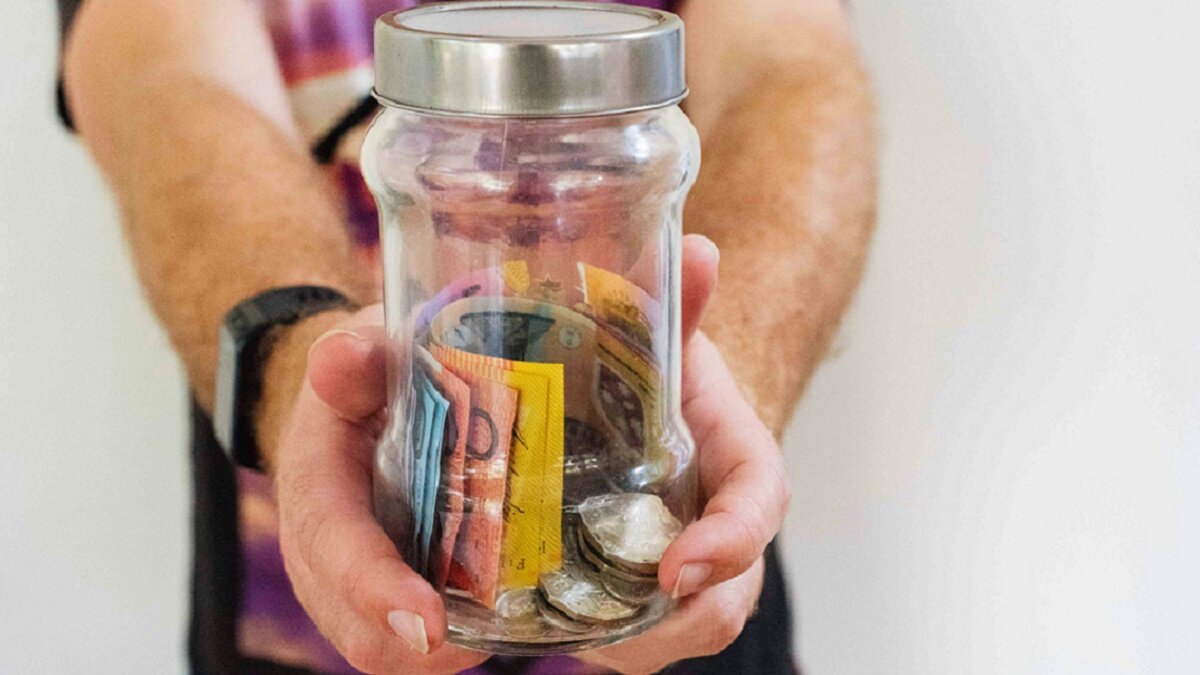
These days, most Aussie home loan products offer a redraw facility. It's a feature that could help you save interest and pay off your mortgage faster, so it's worth getting your head around how they work.
What is a redraw facility?
Redraw facility
A redraw facility allows you to access any extra payments you have made on your mortgage.
When you pay more than the minimum repayment into your home loan, the excess amount just pays down the outstanding loan amount. Standard repayments are split into the principal amount (actually paying down the loan) and interest which is calculated based on your outstanding balance. Any amount you pay extra is just deducted from the outstanding principal amount, so will also reduce your future interest bills.
Most lenders allow borrowers to make extra payments, but if your loan comes with a redraw facility, you can 'redraw' it back out again if and when you need to. For some borrowers this gives them the confidence to make more overpayments, safe in the knowledge that if the need arises they can take the money back out.
A redraw facility is similar to an offset account, which is a separate account linked to your home loan where the balance is deducted from the outstanding loan amount when interest is calculated. However, an offset account can often be used basically like a transaction account, whereas you need to withdraw the money from your loan account first if you just have a redraw. There are generally more limitations on a redraw compared to an offset account, but offset accounts also often come with higher interest rates.
See also: Offset account vs redraw facility
How much could you save with a redraw facility?
A redraw can provide reassurance for people who are apprehensive about whether they can afford to overpay on their home loan, and allow them to benefit from a reduced interest bill. Even small overpayments can quickly add up to major savings on your total interest bill.
Imagine you borrow $500,000 at 5.00% p.a. interest rate over 30 years.
This is how regular overpayments could reduce your total interest bill, as per our home loan repayment calculator.
| Extra monthly payment |
Life of loan savings |
Total interest |
Time to pay off mortgage |
|---|---|---|---|
| $0 | $0 | $466,279 | 30 years |
| $10 | $4,686 | $461,593 | 29 years, 10 months |
| $100 | $42,599 | $423,680 | 27 years, 10 months |
| $1,000 | $227,738 | $238,541 | 17 years, 4 months |
Can a redraw facility reduce the size of your repayments?
While paying extra and building up your redraw facility can reduce the total amount of interest you pay, it won’t necessarily change the size of your regular repayments.
Any extra repayments you make will go toward reducing your loan’s principal balance, and a redraw facility allows you to access those additional payments if you need. Your regular repayment will remain the same, but more of each payment will go toward the principal rather than interest. This could see you paying off the loan faster.
Can a redraw facility help you pay off your mortgage faster?
A major benefit of overpaying on your home loan is the potential to pay it off faster, since overpayments go towards paying down the principal.
Returning to the above example, if you borrowed $500,000 over 30 years with a 5% interest rate, your repayments would be around $2,685 a month.
If you paid $200 extra every month, you’d be mortgage-free in around 26 years and pay nearly less in $77,000 interest, but your minimum monthly repayment would stay at $2, 685.
Putting $1,000 extra into that same loan each month would see the loan paid off in 17 years.
Are there downsides to a redraw facility?
Extra fees and higher rates
While a redraw facility is commonly free to use, some lenders charge borrowers when they withdraw their extra repayments.
It's also worth nothing that home loans with redraw facilities might charge higher rates, as well as more fees, than those without. Most mortgages come with redraw facilities these days, however.
Redraw conditions
Unlike offset accounts, accessing the money in a redraw isn't as simple as swiping your card or shifting it into another account. You might need to make a redraw request and wait for it to be processed, or there might also be limitations on how often redraw can be used. There may also be limitations on the minimum and maximum amount that can be redrawn.
It's worth asking your lender whether there are any conditions to the use of its redraw facility.
How to compare home loans with redraws
As the terms and conditions of redraw facilities differ significantly among lenders, it is important to understand what's on offer before you take out the loan.
It's important that you answer these questions before signing on the dotted line:
1. Is there a fee for having or using a redraw facility?
Some mortgages demand a person pays a flat fee for having a redraw facility. Sometimes this won't be charged until the redraw facility is activated.
Other lenders might demand a borrower pays a fee each time they withdraw funds using their redraw facility. This fee can vary significantly between lenders, while many don't charge one at all.
2. Is there a maximum number of redraws or free redraws per year?
Some redraw facilities grant the borrower unlimited free redraws while some lenders offer a number of free redraws per year. Other lenders might limit the number of times a borrower can use their redraw within a set period.
3. Is there a minimum amount you can redraw?
Lenders often instate a minimum amount that can be withdrawn at once using a redraw facility. Whether this exists and how much is it determines the true flexibility of a redraw facility.
4. Is there a maximum redraw amount?
Other times, a lender might have set a maximum amount that a homeowner can redraw in one go. This might be the total amount of additional repayments, less one month's repayments, or the total value of additional repayments you have made.
Is a redraw facility right for you?
Although making extra repayments and having a redraw facility offers many advantages, it might not be worth it for every borrower. It's important to determine whether a redraw facility will suit your financial circumstances and your personal approach.
There's little point paying for something you're not going to use, so if it's unlikely you'll be able to make additional repayments on your home loan in the foreseeable future, you might not want to pay a slightly higher rate for a product with a redraw. For those who can afford to make extra repayments though, it could help lower your interest bill and potentially pay off the loan sooner.
Below are some of the home loan products in Australia that currently offer a redraw
| Lender | Home Loan | Interest Rate | Comparison Rate* | Monthly Repayment | Repayment type | Rate Type | Offset | Redraw | Ongoing Fees | Upfront Fees | Max LVR | Lump Sum Repayment | Extra Repayments | Split Loan Option | Tags | Features | Link | Compare | Promoted Product | Disclosure |
|---|---|---|---|---|---|---|---|---|---|---|---|---|---|---|---|---|---|---|---|---|
5.94% p.a. | 5.98% p.a. | $2,978 | Principal & Interest | Variable | $0 | $530 | 90% |
| Promoted | Disclosure | ||||||||||
5.89% p.a. | 5.80% p.a. | $2,962 | Principal & Interest | Variable | $0 | $0 | 80% |
| Promoted | Disclosure | ||||||||||
5.98% p.a. | 5.98% p.a. | $2,991 | Principal & Interest | Variable | $0 | $395 | 80% | Disclosure | ||||||||||||
5.99% p.a. | 6.01% p.a. | $2,995 | Principal & Interest | Variable | $0 | $150 | 60% | Disclosure |




Image by Melissa Walker Horn on Unsplash
First published in October 2024
Collections: Extra Repayments


Share